Passed Unusual Tissue During Your Period? Here’s What It Could Mean
Seeing unusual tissue during your period can be shocking and frightening, especially if it happens unexpectedly. Many women immediately fear miscarriage or a serious medical emergency when they notice large clots, fleshy material, or tissue-like discharge during menstruation.
While some changes in menstrual blood and clotting can be completely normal, certain types of tissue discharge may signal hormonal imbalance, abnormal uterine lining shedding, or underlying reproductive conditions. Understanding what unusual menstrual tissue may mean can help reduce panic and encourage women to seek medical guidance when necessary.
Your menstrual cycle often reflects what is happening internally, and paying attention to abnormal symptoms can support better reproductive health awareness.
Is It Normal to Pass Tissue During a Period?
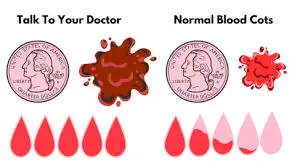
Small blood clots during menstruation are common, especially on heavier flow days. These clots form when menstrual blood pools in the uterus or vagina before leaving the body.
However, larger tissue-like material or fleshy discharge may feel very different from ordinary clots. In some cases, the uterine lining may shed in thicker pieces than usual due to hormonal changes or reproductive conditions.
The appearance, size, texture, and associated symptoms can provide clues about what may be happening.
Common Causes of Unusual Tissue During Menstruation
Hormonal Imbalance
Hormones control how the uterine lining develops and sheds during the menstrual cycle. When estrogen and progesterone levels fluctuate abnormally, the uterine lining may become thicker than usual before shedding.
This can sometimes result in heavier bleeding, large clots, or tissue-like discharge.
Heavy Menstrual Bleeding
Excessive menstrual bleeding may cause blood to clot before leaving the body. Larger clots can sometimes appear dark red, jelly-like, or tissue-like.
Heavy bleeding may occur due to:
- Fibroids
- Hormonal imbalance
- Adenomyosis
- Endometriosis
- Certain medications
Miscarriage
In some cases, passing tissue during bleeding may occur during early pregnancy loss. Women who suspect pregnancy and experience severe cramping or unusual tissue should seek immediate medical attention.
Decidual Cast
A decidual cast is a rare condition in which the uterine lining sheds in one complete piece instead of breaking apart gradually during menstruation. This may cause severe cramps and the passage of tissue shaped like the inside of the uterus.
Learning more about decidual cast information can help women understand unusual uterine lining shedding, symptoms, and possible hormonal causes.
Symptoms That May Accompany Unusual Tissue
Passing abnormal tissue during menstruation may occur alongside other symptoms such as:
- Severe pelvic cramps
- Heavy bleeding
- Lower back pain
- Dizziness
- Fatigue
- Nausea
- Irregular periods
The severity and combination of symptoms may vary depending on the underlying cause.
When Should You Be Concerned?
Although occasional clotting may not always be serious, certain symptoms should never be ignored.
You should seek medical advice if you experience:
- Extremely large clots repeatedly
- Severe or worsening pelvic pain
- Heavy bleeding lasting longer than 7 days
- Fainting or dizziness
- Fever or unusual odor
- Possible pregnancy with tissue passage
- Sudden major menstrual changes
Persistent abnormal symptoms may indicate an underlying reproductive condition requiring medical evaluation.
How Hormones Influence Uterine Lining Shedding
Throughout the menstrual cycle, hormones prepare the uterine lining for possible pregnancy. If pregnancy does not occur, the lining breaks down and sheds during menstruation.
Hormonal imbalance may affect:
- Thickness of the uterine lining
- Timing of shedding
- Bleeding intensity
- Clot formation
- Menstrual regularity
Stress, medications, contraceptives, thyroid disorders, and reproductive conditions may all contribute to hormonal changes affecting menstruation.
Lifestyle Factors That May Affect Menstrual Health
Chronic Stress
Stress may disrupt hormone regulation and contribute to irregular or heavier periods.
Poor Nutrition
Nutritional deficiencies may impact hormone production and reproductive wellness.
Sleep Problems
Poor sleep quality can interfere with hormonal balance and menstrual regularity.
Sedentary Lifestyle
Regular physical activity supports circulation, hormone health, and overall wellness.
Tips for Supporting Menstrual and Reproductive Health
Track Your Symptoms
Monitoring bleeding patterns, pain intensity, and unusual symptoms can help identify changes early.
Maintain a Healthy Lifestyle
Balanced nutrition, stress management, regular exercise, and proper sleep may support hormonal balance.
Seek Medical Evaluation When Needed
Professional evaluation is important when symptoms become severe, persistent, or unusual.
Final Thoughts
Passing unusual tissue during your period can feel alarming, but understanding the possible causes may help reduce fear and encourage informed decision-making. While some clotting and tissue shedding may occur naturally, persistent abnormalities, severe pain, or excessive bleeding should not be ignored.
Your menstrual cycle provides important insight into your reproductive and hormonal health. Paying attention to unusual symptoms and seeking medical advice when necessary can help support long-term wellness and early detection of underlying conditions.