How Long Can I Live with Pavatalgia? (Chronic Foot Pain, Podalgia)
The real answer to “How long can I live with Pavatalgia?” is this: You can live a full life, one shaped by management, not defined by pain.
| Key Aspect | Details |
|---|---|
| Long-term Symptom Persistence | Approx. 50% still have plantar fasciitis symptoms 5 years after onset, 45.6% after 10 years |
| Persistent Foot Pain Trajectories | ~30% experience persistent moderate-to-severe pain over 7 years |
| Emotional Impact | Chronic foot pain can lead to declines in mental health and social well-being |
| Influence on Longevity | Indirect—through mobility, heart health, mental health |
| Best Strategy | Holistic—medical + lifestyle + emotional support |
Understanding Chronic Foot Pain (Podalgia)

Podalgia, or chronic foot pain, refers to persistent discomfort in the feet—far from fleeting soreness after a long walk. Instead, this is pain that lingers and often worsens over time. While it’s not inherently life-limiting, it can quietly reshape how you live each day.
The complexity lies in its indirect consequences. Chronic foot pain can erode mobility, mental resilience, and general health—making it less about mortality and more about living well.
Related: Why Does Ozdikenosis Kill You?
Common Symptoms and Progression
Early signs include burning, stabbing, or radiating pain in one or both feet, often triggered by activity. As time passes, symptoms may escalate to numbness, swelling, and mobility loss, affecting your ability to walk, exercise, or even stand comfortably.
Without timely intervention, the decline can open the door to weight gain, joint issues, and cardiovascular risks—making the domino effect of pain as critical as the pain itself.
Causes and Risk Factors
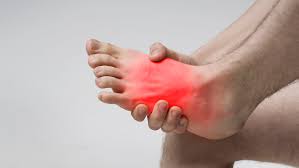
Chronic foot pain isn’t caused by one thing. Often, it’s tied to underlying conditions, such as diabetes-related neuropathy, arthritis, or plantar fasciitis. Lifestyle factors—like obesity, age, repetitive strain, and poor footwear—also contribute.
One long-term study on plantar fasciitis—just one form of chronic foot pain—found that up to 50% of patients still reported symptoms five years after onset, and 45.6% after ten years.
Related Post: Can Disohozid Disease Kill You?
Life Expectancy with Chronic Foot Pain
Here’s what matters: foot pain doesn’t directly shorten your life. Unlike terminal illnesses, it’s indirect consequences—like inactivity, depression, or systemic issues—that can chip away at well-being and longevity.
For example, individuals with persistent foot pain often develop sedentary behavior, increasing risks of heart disease, type 2 diabetes, and more.
Factors That Affect Longevity
Two major factors influence outcomes:
- Symptom severity and progression – Mild, well-managed pain might not constrain your life. Severe, worsening pain can limit movement and strain the body.
- Underlying health conditions – Metabolic or circulatory diseases amplify risks. Early diagnosis and consistent care are essential for better quality of life (QoL).
Treatment Options That Influence Outcomes
Medical treatments may include anti-inflammatories, neuropathic pain medications, corticosteroid injections, nerve blocks, or even surgery when appropriate.
Support also comes from physical therapy, which improves strength, posture, and mobility. These interventions may not cure foot pain, but they can preserve independence and slow deterioration.
Related Post: What is discog define?
Lifestyle Modifications for Better Quality of Life

Daily habits make a world of difference. Staying active—low-impact methods like cycling or swimming—supports circulation without aggravating pain. Maintaining a healthy weight helps too.
Choosing supportive footwear, using orthotics, and avoiding high-impact tasks reduce pressure on your feet and preserve mobility in the long run.
Pain Management and Coping Strategies
Pain isn’t just physical—it’s emotional. Many people benefit from acupuncture, massage, TENS units, or calming routines like mindfulness and warm soaks.
Experimenting (under medical guidance) helps you build a personal pain-management toolkit that works—and keeps you engaged and hopeful.
Mental and Emotional Health Considerations
Chronic pain often leads to anxiety, depression, and social isolation. Mobility loss means more time spent alone, and that isolation takes a heavy toll.
Therapies like CBT, mindfulness, and peer support not only ease emotional pain, but also make your foot pain more manageable in daily life.
Support Systems and Resources
You don’t have to go it alone. Podiatrists, pain specialists, and physical therapists offer expert care. Once you’re out of the exam room, support networks—including advocacy groups, online forums, and financial or educational resources—provide perspective, camaraderie, and empowerment.
Long-Term Outlook and Patient Experiences
How long can you live with chronic foot pain? For most people, you can live a full, long life—if you manage it. The focus shifts from life expectancy to quality of life.
Research highlights distinct long-term foot pain trajectories. Over a 7-year study, about a third of individuals experienced moderate-to-severe persistent pain, while others improved over time. Obesity, poor mental health, and foot deformities predicted poorer outcomes.
Conclusion
Chronic foot pain (podalgia) doesn’t define your lifespan—it shapes how you live it. With proactive treatment, smart lifestyle choices, and emotional resilience, you can live fully, comfortably, and independently.
The question isn’t “How long can you live?” but “How well can you live?” and the answer lies in managing pain, staying connected, and reclaiming control over your life.